Gardening & nature
The English garden is undergoing a profound transformation. As climate patterns shift and environmental awareness deepens, gardeners across the country are moving away from resource-intensive ornamental traditions towards practices that work with nature rather than against it. This isn’t about sacrificing beauty—it’s about creating spaces that are simultaneously more resilient, biodiverse, and aligned with the ecological challenges we face.
Whether you’re managing a suburban plot, a rural smallholding, or a compact urban garden, the principles of ecological gardening offer practical pathways through water restrictions, changing growing conditions, and the recent peat ban. This approach connects traditional boundary management, soil stewardship, wildlife support, and food production into a coherent framework that reduces maintenance whilst increasing ecological value.
Creating Living Boundaries: The Case for Native Hedging
Garden boundaries present a fundamental choice: inert fencing or living hedgerows. Whilst fencing appears initially cheaper and faster to install, the ten-year lifecycle comparison consistently favours hedging when maintenance, replacement costs, and ecological benefits are factored in.
Why Hawthorn and Blackthorn Form the Backbone
Native species like hawthorn and blackthorn support over 300 insect species each—an extraordinary biodiversity contribution compared to sterile panel fencing. These thorny species provide dense nesting habitat for birds, early nectar for emerging pollinators, and autumn berries for overwintering wildlife. Their defensive architecture creates genuinely stock-proof boundaries without ongoing material replacement.
Bare-Root Planting: The November to March Window
Establishing hedging from bare-root whips requires specific timing. Between November and March, whilst plants are dormant, you can purchase bundles of 40-60cm saplings at a fraction of the cost of container-grown specimens. Plant at five per metre in a double-staggered row, ensuring roots are never exposed to drying winds for more than a few minutes. Water in thoroughly, then largely leave alone—their first-year energy goes into root establishment rather than visible growth.
Legal Considerations Around Height
The Anti-Social Behaviour Act provides your neighbour with recourse if your hedge exceeds two metres and demonstrably blocks light to their property. Local authorities can serve reduction notices, making proactive autumn trimming not just good management but legal prudence. Communicate with neighbours before planting boundary hedges to avoid disputes that can sour relationships for years.
From Lawn to Meadow: Rewilding Your Green Space
The conversion of mown grass monocultures into species-rich meadows represents one of the highest-impact changes a gardener can make for biodiversity. Yet the “messy” transition phase deters many, despite the destination being demonstrably lower maintenance than weekly mowing.
Fertility Reduction: The Counter-Intuitive First Step
Decades of lawn feeding have created nutrient-rich soils where aggressive grasses outcompete wildflowers. Successful meadow establishment often requires removing topsoil depth or covering the area with cardboard and poor-quality topsoil to reduce fertility. Think of it as resetting the soil to the conditions our native flora evolved to thrive in—lean, hungry ground where diversity flourishes.
Annual vs Perennial: Choosing Your Timeline
Annual cornfield mixes (cornflower, corn marigold, poppies) deliver immediate first-summer colour but require yearly reseeding. Perennial meadows take 3-5 years to establish fully but then persist with minimal intervention. The choice depends on your patience and whether you’re creating a feature display or a permanent ecosystem. Many gardeners trial annuals whilst perennials establish in adjacent areas.
The Critical Timing of Your First Cut
Cutting meadows in June dooms them. The single most common maintenance error is mowing before plants have set seed. Wait until late July at the earliest—ideally August—when you can see seed heads shattering at a touch. Cut high (10cm), rake off all arisings to further reduce fertility, and allow a September aftermath growth before a final autumn trim.
Building Climate Resilience Through Soil Health
Soil functioning as a living sponge—holding water during drought, draining freely during deluges—forms your primary defence against climate extremes. This capacity isn’t fixed; it’s built through organic matter accumulation and biological activity.
The No-Dig Philosophy in Practice
Avoiding soil disturbance preserves fungal networks, maintains structure, and prevents buried weed seed germination. The no-dig approach layers organic matter on the surface annually, allowing worms and soil life to incorporate it downwards. This mimics woodland floor processes and builds fertility whilst simultaneously improving moisture retention—critical as English summers trend drier.
Mulch Materials: From Strulch to Farmyard Manure
Surface mulches suppress weeds, moderate temperature extremes, and feed soil biology as they decompose. Options range from:
- Strulch (mineralised straw): long-lasting, attractive, slug-deterrent but relatively expensive
- Mushroom compost: alkaline, nutrient-rich, widely available but unsuitable for ericaceous plants
- Farmyard manure: excellent structure-builder, variable nutrient content, requires well-rotted material to avoid nitrogen robbery
- Home compost: free, recycles garden waste, quality varies with making process
The “nitrogen robbery” risk occurs when fresh, high-carbon materials (wood chip, straw) are incorporated into soil rather than surface-laid, temporarily locking up nitrogen as decomposers multiply.
Water Security in an Era of Drought
Temporary Use Bans—formerly hosepipe bans—are becoming more frequent across England. Rather than viewing these as crises, proactive gardeners build storage capacity and establish plants that tolerate the restrictions.
Scaling Beyond a Single Water Butt
A standard 200-litre butt fills after approximately 8mm of rain falling on a typical semi-detached roof. Meaningful drought resilience requires linking multiple butts to create 800-1,200 litre capacity. Connected butts fill sequentially through overflow pipes, with the first butt’s tap providing gravity-fed access to the entire system. Position the highest butt at maximum elevation to improve pressure for watering cans.
Greywater: The Legal and Practical Reality
During TUBs, using bathwater siphoned via buckets remains legal, whilst filling watering cans directly from taps for ornamental gardens does not. The exemptions are specific: Blue Badge holders receive broader permissions, and established plants (defined as in the ground for more than 12 months) may be watered by hand-held containers in some water company areas. Check your supplier’s specific TUB conditions, as they vary regionally.
Drip Irrigation and Legal Nuances
Automated irrigation systems fall under TUB restrictions, but the status of hand-controlled drip systems fed from water butts remains a grey area. The safest interpretation: if it’s automated (timer-controlled) and connected to mains water, it’s prohibited. If it’s gravity-fed from harvested rainwater and manually controlled, it’s typically permissible. Document your system’s water source to avoid neighbour disputes.
Mastering Peat-Free Growing
The retail peat ban has removed a material whose unique properties—stable structure, reliable moisture retention, predictable nutrient poverty—made it forgiving for beginners. Peat-free alternatives demand slightly different approaches but ultimately produce equally healthy plants.
Understanding Water Retention Differences
Peat-free mixes based on coir, wood fibre, or composted bark behave differently when dry. Coir, once thoroughly dried, becomes hydrophobic and sheds water rather than absorbing it. The solution: never allow peat-free containers to fully dry out. Water more frequently with smaller volumes rather than occasional drenching. Adding a drop of washing-up liquid to rewetting water helps initially, but consistent moisture management prevents the problem arising.
Feeding Regimes for Hungry Mixes
Peat alternatives break down faster than peat, with their nutrients cycling more rapidly. Plants in peat-free compost typically need supplementary feeding earlier—often within 4-6 weeks rather than the 8-12 weeks peat provided. Liquid feeding at half-strength but double frequency works better than occasional strong doses, maintaining steady nutrition without salt accumulation.
Sciarid Fly Management
Fungus gnats (sciarid flies) proliferate more readily in some peat-free mixes, particularly those high in composted materials. Adults are harmless; larvae can damage seedling roots. Control strategies include allowing surface drying between waterings, using sticky yellow traps for adults, and top-dressing containers with horticultural grit or sand to interrupt the breeding cycle.
Making Composting Work: Moving Beyond Common Failures
More gardeners abandon composting due to slow decomposition, smell, or rat attraction than for any lack of material. Understanding the process mechanics prevents these predictable failures.
The Carbon-to-Nitrogen Ratio Decoded
Decomposition requires both energy (carbon-rich “browns” like cardboard, woody stems, autumn leaves) and protein (nitrogen-rich “greens” like grass clippings, vegetable peelings, young weeds). The ideal ratio sits around 30:1 carbon to nitrogen. In practice: aim for roughly equal volumes of browns and greens, erring towards more browns if unsure. Too much green material creates anaerobic slime; too much brown means nothing happens.
Rat-Proofing: Wire Mesh Foundations
Rats are attracted by cooked food waste, not garden vegetation. If including kitchen scraps, use a bin with a solid base sitting on 12mm wire mesh buried 15cm into the ground and extending 15cm beyond the bin’s footprint. Never compost meat, fish, or dairy. Bokashi pre-fermentation of kitchen waste (using bran inoculated with lactobacillus) renders material unattractive to vermin before adding to the main bin.
Aminopyralid Contamination: The Invisible Threat
This herbicide, used in paddock weed control, passes through horses and cattle, persisting in their manure for years. Contaminated manure or hay-based horse bedding can destroy tomatoes, beans, and composites when added to gardens. Source farmyard manure only from suppliers who can confirm no recent aminopyralid use, or grow bioassay test plants (French beans in sample compost) before committing large quantities.
Growing Food in Small Spaces
Productive gardening doesn’t require rural acreage. Urban and suburban plots can achieve remarkable yields through vertical structures, succession planting, and intensive soil management.
Why Crop Rotation Still Matters
Even in a 2m × 3m bed, rotating plant families annually prevents soil-borne disease accumulation and nutrient depletion. Divide your space conceptually into three or four sections, rotating brassicas, legumes, alliums, and fruiting crops (tomatoes, cucurbits) through each zone on a three-to-four-year cycle. This simple discipline dramatically reduces clubroot, white rot, and blight pressure.
Green Manures: The Overlooked Fertility Tool
Whenever ground stands empty for 6+ weeks, sow a green manure: winter field beans (nitrogen-fixing), mustard (fast biomass), or crimson clover (pollinator-friendly). These living mulches suppress weeds, prevent nutrient leaching, and add organic matter when cut and composted or lightly forked in. They’re particularly valuable after early potato harvest, transforming July-to-spring gaps into productive soil-building windows.
Heavy Metal Reality in Urban Soils
Victorian industrial legacy and leaded petrol use have left many urban soils with elevated lead and cadmium levels. Fruit and leafy crops accumulate these less than root crops. Practical responses include: raised beds with imported topsoil, keeping soil pH above 6.5 (reducing metal availability), growing in containers, and washing produce thoroughly. Contact your local authority; some offer free soil testing for allotment holders.
Supporting Pollinators Beyond the “Bee Bomb”
Generic wildflower mixes provide some value, but strategic planting addresses the hungry gap (March-April) and supports specialist pollinators, including nocturnal moths that many gardeners overlook.
Nectar vs Pollen: Different Resources
Bees need both. Nectar provides energy; pollen supplies protein for brood-rearing. Double-flowered cultivars often produce neither, being bred for petal proliferation at the expense of reproductive structures. When purchasing perennials, confirm they’re single-flowered or semi-double forms. Native plants have co-evolved relationships with British pollinators, offering appropriately timed resources and accessible flower structures.
Early Season Lifelines
Emerging queen bumblebees in March face scarce forage. Plant lungwort, primroses, rosemary, and flowering currants to provide critical early nectar. Later, July-August abundance needs balancing with September-October extension through sedums, single dahlias, and ivy—whose October flowering supports hibernation preparation.
Night-Shift Workers: Moths as Pollinators
Over 2,500 moth species inhabit Britain, many pollinating night-scented plants ignored by bees. Evening primrose, tobacco plants (Nicotiana), night-scented stock, and honeysuckle cater to this overlooked workforce. Moths also form the primary food source for fledgling birds, making their caterpillar host plants (nettles, grasses, native trees) critical for garden biodiversity.
Adapting to a Warmer, Drier Future
Climate projections for England indicate hotter, drier summers and wetter, milder winters—a Mediterranean pattern that challenges traditional planting palettes requiring consistent moisture.
Xeriscape Principles: Working with Drought
Drought-tolerant gardening doesn’t mean cactus monocultures. It means selecting plants whose leaf adaptations—silver hairs (reflecting light), waxy cuticles (reducing transpiration), narrow profiles (minimising surface area)—suit lower water availability. Lavenders, salvias, sedums, bearded iris, and Mediterranean herbs thrive on neglect once established, looking better during dry spells than force-fed lawns.
The Establishment Paradox
Drought-tolerant plants still need water during their first summer whilst roots extend. The methodology: water deeply but infrequently (weekly rather than daily), encouraging deep root exploration rather than surface dependency. After 12-18 months, most Mediterranean species become genuinely self-sufficient in English rainfall patterns, their extensive root systems accessing moisture unavailable to shallow-rooted competitors.
Gravel Gardening: Drainage and Aesthetics
The challenge isn’t summer drought alone but winter waterlogging—Mediterranean plants evolved with dry winters and cannot tolerate prolonged root saturation. Gravel gardens address this by creating sharp drainage through incorporated grit, then mulching with decorative stone that sheds winter rain away from crowns. The aesthetic shift—away from lush borders towards textured, architectural planting—represents the future of climate-adapted English gardening.
The thread connecting these practices is resilience: building gardens that function as ecosystems rather than ornamental collections requiring constant intervention. As resource availability tightens and climate variability increases, the gardens that thrive will be those working with natural processes—capturing water, building soil, supporting biodiversity, and choosing plants suited to emerging conditions rather than nostalgic ideals.

How to Create a Dry Garden That Actually Survives a Wet UK Winter
The secret to a thriving Mediterranean garden in Britain isn’t choosing drought-proof plants; it’s engineering a garden that can handle our wet winters. Success hinges…
Read more
Feeding Bees in the Hungry Gap: A Gardener’s Guide for February and November
In summary: Bees, especially emerging queens, need protein-rich pollen in late winter and autumn, not just sugary nectar. Avoid ‘double’ flowers whose complex petals block…
Read more
How to Double Your Vegetable Yield in a Standard 10-Rod Allotment
Doubling your allotment yield isn’t about working harder; it’s about engineering a smarter, closed-loop system for your soil, nutrients, and space. Master the Carbon-to-Nitrogen ratio…
Read more
Why is Mulching the Single Most Important Job for Resilience in UK Gardens?
Contrary to common advice focused on ‘improving’ soil, the key to a resilient UK garden lies in ‘protecting’ its living ecosystem from climate extremes. Tilling…
Read more
Why Does Your Compost Bin Smell Like Ammonia and Slime?
That foul smell from your compost isn’t a sign of failure; it’s a specific diagnostic signal. An ammonia odour points to an excess of nitrogen…
Read more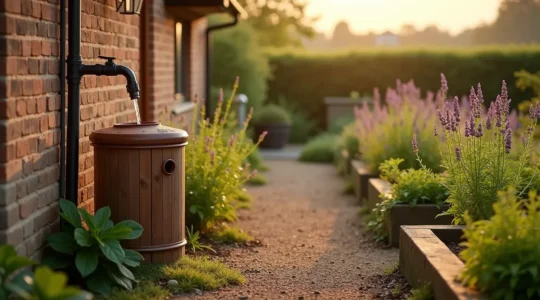
How to Legally Water Your Garden During a Strict Hosepipe Ban?
The fear of a £1,000 fine doesn’t mean your garden must perish; the key is not just avoiding the hosepipe, but understanding the specific legal…
Read more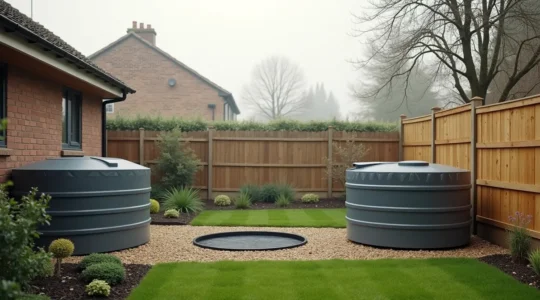
How to Calculate the Water Storage You Need for a 3-Week UK Drought?
Running out of water butt capacity is a symptom, not the core problem. True drought-proofing requires calculating your garden’s 3-week ‘water deficit’ and engineering a…
Read more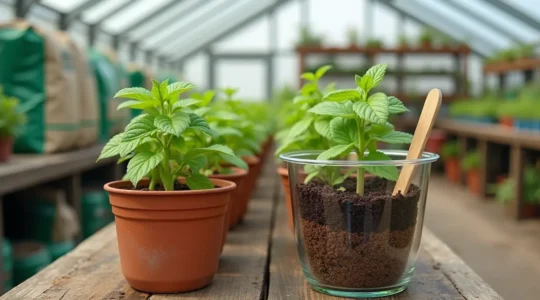
Why Are Your Plants Dying in Peat-Free Compost and How to Fix It?
The core problem with peat-free compost isn’t that it’s ‘bad’; it’s that its physical structure and biological instability require a completely different management approach from…
Read more
How to Design a Sensory Garden That Reduces Anxiety and Supports Bees
Creating a garden that calms anxiety isn’t about specific ‘relaxing’ plants, but about fostering a resilient ecosystem that mirrors and strengthens your own mental well-being….
Read more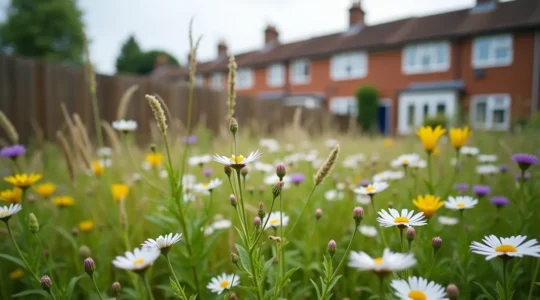
How to Create a Perennial Wildflower Meadow in a Small Urban Garden?
The secret to a beautiful urban wildflower meadow is not neglect, but deliberate ecological design that starves the soil to favour flowers over grass. Suppressing…
Read more